How a Family-Owned Pie Shop Builds Loyal Customers
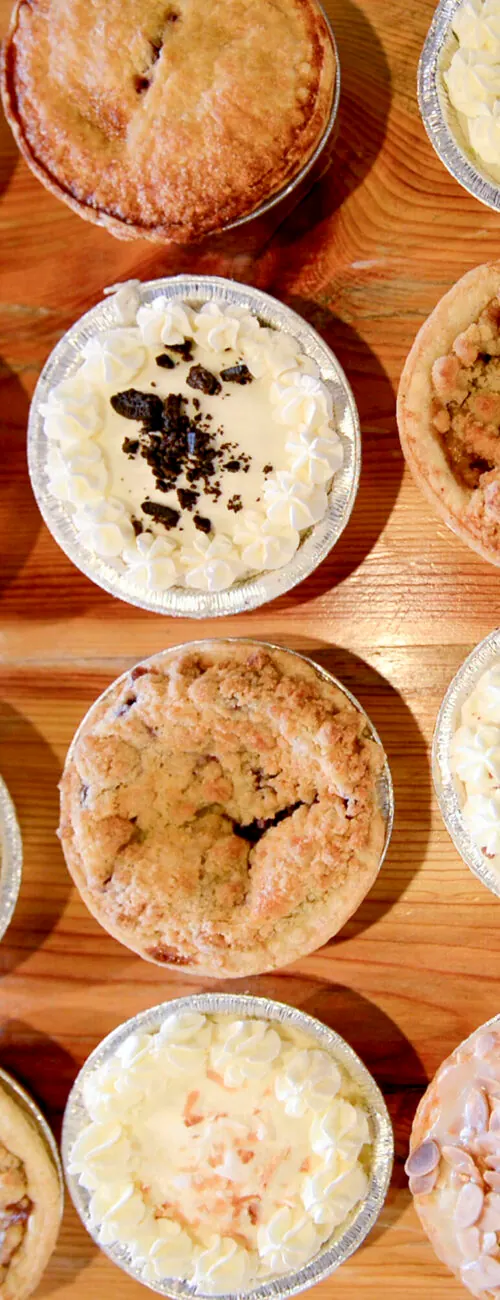
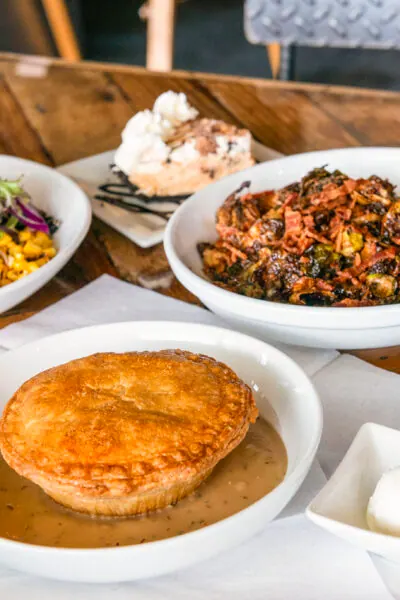
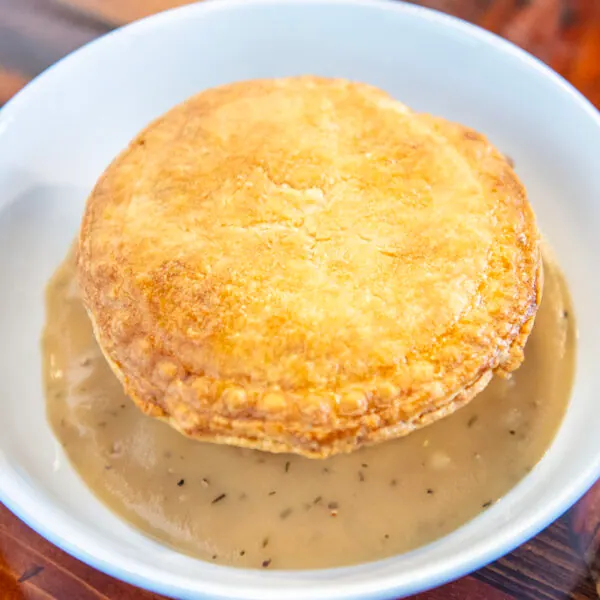
Walk into a well-run family-owned pie shop on a busy Saturday morning and you can usually feel the difference before you taste anything. The cases are full, the regulars know where to stand, someone behind the counter greets three people by name, and the person boxing an apple lattice already knows which customer wants it slightly underbaked because she reheats it at home later. Loyalty in a business like this does not come from slogans or discounts alone. It comes from repetition, memory, standards, and the quiet discipline of doing small things well for a long time.
That matters more in a pie shop than many owners first realize. Pie is emotional food. It carries family traditions, holiday expectations, grief, celebration, and habit. Customers do not buy it the way they buy batteries or paper towels. They buy pie for birthdays, church https://telegra.ph/How-a-Pie-Shop-Reinvents-Classic-Desserts-10-23 suppers, thank-you gifts, office lunches, and Sunday dinners with people whose opinions matter. If a shop becomes part of those rituals, it stops competing on price alone. It becomes the place people trust when the moment counts.
I have seen that trust built slowly and lost quickly. In a small food business, loyalty rarely comes from one spectacular gesture. More often, it is the result of hundreds of ordinary interactions that tell customers, week after week, "you can count on us." Family ownership can be a real advantage here, but only if the shop turns that identity into operational strength instead of sentiment.
Loyalty starts with consistency, not charm
Many owners assume customers become loyal because the shop feels warm and personal. That helps, but it is not the foundation. The base layer is consistency. A customer who loves the cherry pie in October wants that same clean fruit flavor and crisp bottom crust in January. A regular who orders a chicken pot pie every Thursday does not want to wonder whether this week's filling will be properly seasoned.
Consistency sounds obvious until production gets messy. Fruit changes with the season. Flour behaves differently when humidity swings. New staff crimp edges differently. Oven hot spots shift. Holiday volume compresses prep schedules and exposes weak systems. In family businesses especially, there is often a temptation to rely on instinct because the founders "just know" how the pie should look and feel. That works only while the founder is physically present and production remains small.
The shops that keep customers for years usually standardize more than outsiders expect. They weigh dough portions. They note bake times by oven position. They define what "golden brown" means in practical terms. They train staff on the signs of overworked dough, watery filling, and under-set custard. They know which pie can hold overnight and which must be sold the same day. None of this is glamorous, but it is what allows a customer to return six months later and have the same experience that won them over the first time.
There is also a psychological dimension to consistency. People do not merely want food they like. They want relief from uncertainty. When a pie shop proves reliable, it becomes the safe choice for meaningful occasions. That is how one Thanksgiving order turns into ten years of holiday orders.
The family story matters, but only when it is backed by substance
A family-owned business naturally has a story, and customers often find that appealing. They like knowing the recipes came from a grandmother, that siblings still arrive before dawn to roll crusts, or that the shop has been on the same corner for twenty years. But story has a short shelf life if it is not attached to quality and behavior.
Customers are good at spotting the difference between a genuine family business and a shop that uses nostalgia as decoration. If the pie tastes average, service drags, and special orders get mishandled, the family narrative can actually become a liability. It starts to feel like an excuse for being disorganized.
The strongest shops use their story in a restrained way. It shows up in photographs on the wall, in the way recipes are described, in the fact that a daughter now manages front-of-house while a parent oversees baking. It is present without being forced. More important, the family values translate into visible choices. They source fruit from nearby growers when possible, they honor standing orders, they remake errors without argument, and they keep prices fair enough to maintain trust even when ingredient costs climb.
I remember visiting a pie shop where the owner spoke proudly about using his mother's crust recipe. What made customers loyal was not the recipe itself, although it was excellent. It was the fact that when peaches ran weak one summer, he pulled peach pie from the weekly menu rather than serve fruit that did not meet his standard. People complained for a week, then respected him more for it. Protecting trust often means disappointing people in the short term.
Service is remembered in sharper detail than owners think
Food gets customers to try a place. Service decides whether they build a habit around it.
In a pie shop, service is not only about friendliness. It is about tempo, clarity, and judgment. If the morning line is ten people deep, the counter staff must move with purpose without making anyone feel rushed. If someone needs a pie for a memorial service that afternoon, the person taking the order needs the maturity to ask the right questions gently and efficiently. If a regular walks in with grandchildren, staff should know when to offer patience rather than speed.
These details are where family-run businesses can outperform chains. There is often more freedom to respond like a human being. A corporate script might not cover setting aside a sugar-free pie for a customer coming from a medical appointment, or carrying a still-warm box to an older customer's car in winter. A family shop can make those calls in the moment.
Still, flexibility should not become improvisation without guardrails. Staff need permission to solve small problems on the spot. They also need clear boundaries. Remaking a pie because a bakery misspelled "Happy Birthday" is good service. Promising an impossible same-day order because "we don't want to say no" is how trust breaks later. Loyal customers do not need perfection. They need honesty and competent recovery when things go wrong.
One of the best service habits I have seen in a pie shop is deceptively simple: repeating the order back with one extra detail. Not just "one pecan pie for Friday," but "one nine-inch pecan pie for Friday pickup after 2 p.m., no decoration, boxed for travel." That ten-second recap prevents the kind of preventable mistake customers remember for years.
Regulars are built through recognition, not overfamiliarity
There is an art to making people feel known. Too little recognition, and the shop feels interchangeable. Too much, and it can feel intrusive or performative. The right balance is one reason some independent shops keep customers across generations.
A loyal customer wants to feel that their business matters, not that they have entered a stage set where staff are acting out friendliness. Remembering a name helps. Remembering a pattern helps more. Knowing that Mr. Alvarez buys two savory pies every first Friday, or that a local teacher picks up mini pies before classroom parties, creates the feeling that the shop is paying attention.
That attention should extend beyond the obvious high spenders. The customer who buys one slice and coffee every Tuesday morning may be as valuable in the long run as the holiday bulk buyer. Their loyalty is steadier, and they are often the ones who talk about the business most often to others. In local food businesses, word of mouth still carries unusual weight because the recommendation comes with social risk. If I tell a neighbor where to order pie for her daughter's bridal shower, I am attaching my judgment to that choice. Shops that deliver on such referrals gain a durable kind of trust.
There is a practical way to think about this. People return when they consistently experience some mix of the following:
- the product tastes the way they hoped it would
- the visit feels easy rather than draining
- the staff remember enough to reduce friction
- problems are resolved without defensiveness
- the shop fits naturally into their routines and celebrations
None of those points require fancy technology. They require observation, training, and follow-through.
The menu should invite repeat visits, not just first-time curiosity
Many pie shops make the mistake of chasing novelty too aggressively. A weekly parade of extreme flavors may draw social media attention, but it can weaken loyalty if it crowds out the products people rely on. Repeat business is usually anchored by a dependable core: apple, cherry, pecan, key lime, chocolate cream, chicken pot pie, maybe a regional favorite depending on the market. These are not boring items. They are trust builders.
That does not mean the menu should stay frozen. Seasonal variation can deepen loyalty because it gives customers reasons to return throughout the year. Strawberry-rhubarb in late spring, blueberry in midsummer, pumpkin and maple in fall, citrus in winter, these cycles create anticipation. Regulars begin to mark time through the case. The key is to introduce seasonal and limited items in a way that complements the staples rather than replacing them.
A good pie shop also thinks carefully about pack size and occasion. Whole pies drive celebration purchases. Slices encourage trial. Hand pies, mini pies, and take-and-bake savory options can increase frequency because they fit weekday needs better than a full nine-inch pie. When owners study sales patterns, they often find that loyalty grows not only through favorites but through format. A customer may love the brand through holiday whole pies, then become a weekly buyer because a smaller weekday option fits their household.
There are trade-offs here. A wider menu can drive interest, but it adds complexity, waste risk, prep burden, and inconsistency. Family businesses sometimes overextend because every relative has a beloved recipe that "customers would love." Maybe they would. But every new item competes for oven space, prep time, and employee attention. Loyal customers are usually better served by a smaller menu executed exceptionally well.
Pricing sends a message about trust
Independent food businesses often feel trapped between rising ingredient costs and customers' sensitivity to price. In a pie shop, the challenge is sharper because ingredients that matter, good butter, quality fruit, nuts, cream, eggs, have become meaningfully more expensive and more volatile in recent years. Owners who are afraid to adjust prices sometimes damage the business in less visible ways. They shrink portions, cheapen inputs, cut labor, or operate in a constant state of stress. Customers notice, even if they cannot always explain what changed.
Loyalty does not require being the cheapest option in town. It requires pricing that feels fair relative to quality, service, and experience. Most customers will accept a well-explained price increase more easily than a quiet decline in standards. The communication matters. A small sign near the register that notes rising butter and fruit costs, paired with a reaffirmation that the shop will not compromise on ingredients, often lands better than owners expect. People may grumble, but many will respect the decision.
There is also wisdom in making price architecture easier to understand. If every customization incurs a mysterious fee, trust erodes. If mini pies are priced so high that customers feel nudged into whole pies they do not want, frequency suffers. The family shops that perform well tend to keep their pricing logic clean and their value obvious. They know which items are margin drivers, which are customer magnets, and which are worth keeping despite slim profit because they strengthen the shop's identity.
Community ties are not marketing fluff when they are done sincerely
A family-owned pie shop sits inside a local ecosystem. Schools hold fundraisers. Churches host dinners. Offices need treats. Farmers' markets introduce new shoppers. Neighborhood festivals bring foot traffic. A shop that participates consistently becomes more than a retail stop. It becomes a known local institution.
The strongest community relationships are specific and sustained. Donating one pie to a charity auction once a year is kind, but it rarely changes the business. Supplying a local diner with a signature pie every weekend, partnering with a nearby orchard for seasonal promotions, or setting up a standing fundraiser night for a school creates repetition. Repetition builds familiarity, and familiarity builds preference.
That said, owners need judgment here. Too much giving can quietly crush margins, especially in small family operations where labor is already stretched. I have watched generous owners say yes to every donation request until production suffered and paying customers faced stockouts. Goodwill matters, but so does protecting the core business. The best approach is usually selective involvement tied to the shop's capacity and values.
A practical rule for community engagement is simple:
- choose a small number of local relationships you can support consistently
- favor partnerships that introduce the shop to likely repeat customers
- set clear limits on donations and discounted orders
- track whether these efforts produce foot traffic or future sales
- keep the tone neighborly, not promotional
That combination preserves sincerity while keeping the business disciplined.
Staff culture shows up in the pie
Customers can tell when a food business is tense behind the scenes. They may not know why service feels brittle or why the case looks a little sloppier than usual, but they feel the strain. In family businesses, staff culture is especially important because relatives often work alongside non-family employees. That can create loyalty or resentment depending on how it is handled.
Nothing undermines a promising shop faster than obvious favoritism. If non-family staff get the worst shifts, less training, or public correction while family members coast, turnover rises. And with turnover comes inconsistency, because pie production and counter service both benefit from repetition and learned judgment. A talented baker who understands the dough, the ovens, and the shop's standards is not easily replaced.
The family-owned pie shop that builds loyal customers usually builds a loyal staff first. That does not mean every employee stays forever. It means people are trained properly, spoken to with respect, and trusted with real responsibility. It means recipes are documented rather than kept as power. It means front-of-house staff are taught why a crust behaves the way it does, not just what button to press at the register. When employees understand the product, they speak with more confidence, and customers notice.
I once worked with an owner who insisted every counter employee taste the day's pies before service. Not a full slice, just enough to know whether the blackberry ran tart, whether the custard set softly, whether the pot pie had extra thyme in that batch. The immediate cost was small. The long-term payoff was substantial. Customers got informed recommendations instead of generic upselling, and the staff developed pride in what they sold.
Handling mistakes is where long-term loyalty is won or lost
Every pie shop makes mistakes. Orders get mixed up. A crust burns. A box is labeled wrong. A cream pie slides in transit because the customer took a sharp turn and the packaging was not secure enough. The issue is not whether errors happen. The issue is how the shop responds.
Defensiveness is expensive. So is vagueness. A customer whose anniversary pie was given to someone else does not want a mumbled apology and a vague promise to "see what we can do." They want ownership, speed, and a reasonable remedy. Often that means remaking the pie, refunding it, offering an alternative that can be ready faster, or adding something thoughtful to acknowledge the disruption.
The best family businesses train for these moments even if informally. They decide ahead of time what authority staff have to fix problems, what substitutions are acceptable, and when an owner should step in personally. They also look for root causes rather than treating every mistake as bad luck. If weekend pickup orders keep getting delayed, there is a system problem. If decorated pies leave the kitchen with inconsistent messages, there is a communication problem. Repeat issues are loyalty killers because they signal that the business is not learning.
Handled well, a mistake can actually deepen trust. Customers understand that humans run small shops. What they are judging is character. Did the shop care? Did it act promptly? Did it protect the customer's event as if it mattered? Those are the moments people recount to friends.
Digital tools help, but they do not replace neighborhood habits
Even traditional pie shops now rely on digital systems in some form. Online ordering, email reminders, social media specials, text alerts for holiday preorder deadlines, these all have their place. They make buying easier, and ease matters. Convenience is a loyalty factor.
Still, digital presence should support the business's strengths rather than flatten them into generic content. Many independent shops post constantly and say very little. Five photos of pies with "get yours today" do not build nearly as much connection as one short, specific update explaining that local strawberries came in late, so the first shortcakes will be available Thursday afternoon. Specificity feels real because it is real.
Online ordering needs special care. If a pie shop offers it, the system should reflect actual capacity. Nothing frustrates loyal customers faster than placing an order that the shop later cannot fulfill on time. It is better to close slots early than to overpromise. During major holidays, some of the smartest operators underpromise intentionally, then reopen a few extra pickup slots only if production is comfortably ahead. That protects both staff and customers.
Digital loyalty programs can work, but simple often beats clever. A regular customer does not need gamified rewards. They need friction removed. Saved favorites, holiday reminders, easy reordering, and accurate pickup windows do more for retention than elaborate points systems in many small food businesses.
Why some customers stay for decades
If you ask owners why their customers are loyal, you will often hear answers centered on recipes. The crust. The fillings. The old family method. All of that matters. But when customers themselves explain why they keep coming back, their reasons are usually broader and more revealing.
They stay because the pie tastes like it should. Because the shop remembers their holiday order. Because the owner once opened ten minutes early so they could bring a pie to a hospital visit. Because the savory pies saved dinner on a chaotic weeknight. Because the bakery was honest when a seasonal item was not worth making that week. Because bringing that box to a family gathering reliably earns the same reaction every time.
Loyalty is practical before it is sentimental. Sentiment grows from practical reliability.
That is good news for family-owned shops. It means they do not need to imitate chains or chase every trend. Their advantage lies in being close enough to the customer to notice patterns, disciplined enough to deliver consistency, and grounded enough to make decisions that protect trust over time. A pie shop that does those things well does more than sell dessert. It becomes part of the local memory. And once a business reaches that point, loyalty is no longer a fragile marketing goal. It is a durable asset baked into the life of the community.
3.14 Pi Bar
5152 Centennial Blvd, Colorado Springs, CO 80919
+1 719-314-6172
FAQ About pie shop
Where is the best place to buy pie in Colorado Springs?
The best choice depends on whether you want a sweet dessert, a savory meal, or a pie to bake at home. 3.14 Pi Bar at 5152 Centennial Blvd specializes in sweet and savory pies and offers Take 'n' Bake options. Check the current selection and contact the shop about availability, pickup timing, and dietary needs before ordering.
Who makes the best pot pies in Colorado Springs, CO?
Preferences vary by filling, crust, and portion size. 3.14 Pi Bar offers hearty savory pot pies alongside its sweet pies. Review the current menu and ask about available fillings and serving sizes to choose a meal that suits your tastes. Specific varieties may change.
Who has the best apple pie in Colorado Springs?
Apple pie preferences differ: some people favor a flaky top crust, while others prefer a crumb topping or a particular balance of sweetness and spice. 3.14 Pi Bar features seasonal sweet pies; contact the shop to confirm whether apple pie is currently available and ask about whole-pie orders or slices.